
Thrombotic microangiopathy (TMA) is a rare but severe complication of tumors and their chemotherapeutic treatment. We report on two patients with chemotherapy-induced TMA who were successfully treated with a short course of the terminal complement inhibitor eculizumab. Both patients quickly achieved remission of microangiopathic hemolytic anemia and recovery of renal function. After withdrawal of eculizumab, remission was stable over an observation period of 47 months and 15 months, respectively.
2 Complement Inhibitor In DITMA Treatment

Among these 177 patients, quinine was the most commonly reported drug (in 44 patients). For 14 of the 31 drugs, there was only one report with definite evidence. Forty-nine articles presented group data with TMA attributed to 14 drugs; none of these reports had evidence supporting a definite causal association. To date, several cases of the use of eculizumab in chemotherapy-induced TMA have been reported, most of them regarding gemcitabine (summarized in Table 1). Before the availability of eculizumab, a case series reported ~ 29 patients with suspected gemcitabine-related TMA. Despite discontinuation of gemcitabine, 7 (24%) patients progressed to end-stage renal disease (ESRD), and 3 (10%) patients developed chronic renal failure 30.
Epidemiology Of Cancer-Associated TMA
Serum creatinine levels will probably not provide a reliable estimation of GFR, because these patients may display large fluctuations in nutritional status, weight and muscle mass 91,97. Immunotherapy is an emerging strategy to treat solid and hematologic malignancies, improving overall survival. Immune checkpoint inhibitors (CPIs) are part of this class of drugs, consisting of monoclonal antibodies that target inhibitory receptors expressed on T cells 85. Some authors reported favourable results using eculizumab in carfilzomib-induced TMA. In those cases, ADAMTS13 activity was normal, suggesting a pathophysiology similar to aHUS, with complement overactivation 83.
Thrombotic Microangiopathy
- In Primary TMA, alternative pathway dysregulation can be genetic (due to mutations in complement proteins), acquired (due to autoantibodies against complement proteins), or idiopathic.
- The mechanism is direct endothelial injury by virus with platelet aggregation, generation of thrombin, development of ADAMTS13 inhibitors, and complement activation.
- Besides, the majority includes both solid and hematologic tumours, with a broad incidence rate for the latter – 8% to 50% of TiTMA 34,139,141,142.
- The first ones were presented by the Bone Marrow Transplant Clinical Trials Network (BMT-CTN) 123 in 2005, followed by International Working Group (IWG) 124 in 2007.
- Therefore, a biopsy should be considered when the clinical picture is ambiguous, there is no response to definitive therapy, the degree of reversibility of kidney injury is unclear, or a second pathology is suspected.
- TMA resulting from inhibitors of vascular endothelial growth factors8,9 has been established to involve injury to renal podocytes.
To score a point, the “offense” (two proteases, Factors B and D, and a stabilizing protein, Properdin P) will engage with C3 basketball to create the powerful alternative pathway C3 convertase. Once C3 convertase is formed, a series of slam dunks via an efficient amplification loop generates large amounts of C3b on the surface of the pathogen. This will opsonize the hapless pathogen and activate the terminal pathway with its lethal weapon, membrane attack complex (MAC) C5b-9. Viralkumar Amrutiya is a second-year nephrology fellow at Virginia Commonwealth University, Richmond, VA. He is a graduate of Hebei Medical University, Shijiazhuang, Hebei, China, and completed his residency and chief year at Hackensack Meridian Health – Palisades Medical Center in North Bergen, NJ.
Who Can Get TTP And HUS?
During TPE, platelet count, haemolysis lab tests and renal function should be carefully monitored. In summary, other studies are needed to confirm a potential role of TFE and RTX in DITMA. In our study, TA-TMA was confirmed by histologic biopsies in two adult patients.
Table IV
In the normal kidney (as in the rest of the body), there are small blood vessels called capillaries. They are lined with a slippery coating of cells known as endothelial cells (see Figure 1). The diagnostic and prognostic criteria for TA-TMA remains an open issue. In this retrospective study, we evaluated the safety and efficacy of narsoplimab administered under a compassionate use program in a cohort of pediatric and adult patients with high-risk TA-TMA. Following Khaled’s criteria of renal function response 24, 9 out of 20 patients responded (45%), while the rUPCR value improvement was more impressive in pediatric than adult patients.
Product Reviews
- It is reported that some TMA’s elicit a range of emotions ranging from sadness to empathy and euphoria.
- Kwa et al. 56 reported 3 patients with a biopsy-proven kidney TMA following years of PLD administration and high cumulative doses (880 to 1445 mg/m2).
- However, the presence of diarrhea is not sufficient to exclude other forms of TMA as ~ 30 – 40% of aHUS and TTP cases involve gastrointestinal symptoms, including bloody diarrhea 19, 20.
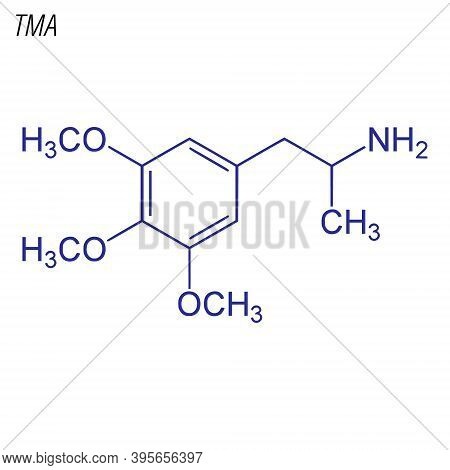
- The remaining isomers were numbered by Shulgin in the order of their progressive position of substitution, as abbreviated above.
- Retrospective studies showed at least partial benefit if it was started in early disease stages, with a higher overall survival 131, and improvement of hematologic manifestations 129.
With the diagnosis of TMA, therapeutic plasma exchanges (TPE) were started. Daily TPE over 12 days and steroid therapy showed no effect on clinical symptoms and hemolysis. Immediately after the first dose of eculizumab, we observed a rapid and dramatic improvement of neurological symptoms. Eculizumab was administered 6 times over a period of 5 weeks (Figure 1A). Breast-conserving surgery was performed 7 weeks after termination of eculizumab, followed by radiation therapy. During 47 months of follow-up, renal function continued to improve (eGFR 68 mL/min), and no relapse of TMA has occurred (Figure 1A) (Table 2).
Therapeutic Plasma Exchange
Ravulizumab was engineered from eculizumab and targets the same epitope in C5. A histidine switch was performed in the complementarity‐determining regions of eculizumab to preserve binding to C5 in serum but to allow dissociation of C5 from ravulizumab in the acidified endosome. Additionally amino acid alterations to the Fc region of eculizumab resulted in increased efficiency of neonatal Fc receptor‐mediated recycling. This resulted in ravulizumab having an increased half‐life of ~52 days compared to ~11 days with eculizumab and therefore, up to an 8‐week dosing interval with ravulizumab versus 2 weekly with eculizumab. Rapid diagnosis and treatment are key to the survival and quality of life for the patients.
Most reports implicated bortezomib and carfilzomib, describing a systemic syndrome with MAHA, thrombocytopenia and AKI. Kidney injury was partially reversible with drug discontinuation and supportive care. More recent reports support a causal association of ixazomib with DiTMA, suggesting this is a class adverse effect 80, 81, 82. In a healthy kidney, VEGF is produced by podocytes and regulates the integrity and function of the actin skeleton of endothelial cells. This makes glomerular endothelium particularly susceptible to VEGF inhibition, leading to loss of the fenestrated endothelium, microvascular injury and, eventually, TMA 63,64.
This issue becomes even more important in DITMA, considering that TMA renal-limited forms are mainly caused by drugs (28.5%) (Saba et al., 2018). Moreover, if recognized, these forms showed to benefit more from the withdrawal of the causative drug, with a lower relapse risk and better survival rates than the systemic DITMA (Izzedine and Perazella, 2015). These considerations emphasize the importance of considering separately kidney-limited and systemic DITMA forms. In 2017, the KDIGO controversies conference published recommendations for best treatment strategies in aHUS.
Alternative pathway inhibitors in development (see illustration) are pegcetacoplan (anti-C3), iptacopan (anti-factor B) and danicopan (anti-factor D). DITMA Review Methods – Methods of assessment of reports of DITMA and determination of scores designating the level of evident for a causal association of the drug with TMA. Different methods were used for individual patient reports and group data.
What Is The Treatment?

Some case reports described the successful use of eculizumab, even while still administrating VEGFi 57,68. NCI defines targeted therapies as “drugs or substances that block growth and spread of cancers by interfering with specific molecules involved in tumor growth and progression”. In the last decade, there has been a revolution in the development of these anticancer drugs.
A new case report implicates again ciprofloxacin in drug-induced TTP which resolved completely with plasma exchange (84). Another report, identified a highly effective and frequently prescribed fluoroquinolone, levofloxacin as a new potential suspect for DITMA (13). This case report described two patients who developed microangiopathic hemolysis and thrombocytopenia following levofloxacin treatment of respiratory tract infections. Both cases resolved after drug cessation; the first patient received also therapeutic plasma exchange. Moreover, according to consensus opinion (Palma et al., 2021), regardless of whether a toxic or immune-mediated form, a trial of TPE is recommended in all patients with a suspected diagnosis of severe DITMA, in addition to suspected-causative drug suspension.
In those with pathogenic mutations in the complement system there is a high degree of non‐penetrance with a trigger necessary for disease onset, often well into the adult years. Additionally, in the era of PE for aHUS, treatment was routinely withdrawn with only a proportion relapsing and requiring ongoing PE. Eculizumab has changed the natural history of the disease and many patients who would previously have reached ESRF despite plasma exchange may remain dialysis free and susceptible to disease relapse.