
The original Silk Road was the first modern darknet market and was launched in 2011. It was shut down by the FBI in 2013, but several successor sites have emerged in its place. Darknet Marketplaces are underground black markets on the dark web! Shop for exclusive products in our marketplace, where privacy, security, and anonymity are always a top priority. The Silk Road quickly gained notoriety for facilitating drug trafficking and other illicit activities.
What Happened To Silk Road After Ulbricht’s Arrest?
- In 2013, Ulbricht was arrested and charged with a range of crimes, including money laundering, conspiracy to traffic narcotics, and computer hacking.
- After the original Silk Road collapsed, Silk Road 2.0 quickly rose to take its spot.
- Transactions are conducted using Bitcoin, which is a decentralized digital currency that is difficult to trace.
- The White House in 2020 considered freeing Ulbricht but ultimately rejected the idea because of the alleged role of violence in the case, according to one former government official involved in the process who spoke to WIRED on condition of anonymity.
- Ulbricht was arrested on October 1, 2013, in a San Francisco public library.
That’s how he wound up in the Baltimore office, living in a suburban two-story with a big, solid oak tree in the backyard. But now here he was, within sight of that oak, his family in the next room, venturing again into the drug world as someone else. Force wrote this message from one of two government laptops he was issued for his undercover mission on Silk Road. They were Dells, silver and clunky with shitty batteries, so the DEA agent had to keep them plugged in, usually in the seclusion of the guest room of his house in the Baltimore suburbs. That was also the favorite room of Pablo, Force’s cat, who would sit on the bed watching him, in his chair and ottoman, as he took to the keys posing as a high-rolling international drug smuggler.
FBI, Dutch Cops Seize Fake ID Marketplace That Sold Identity Docs For $9
Gizmodo writer Kate Knibbs wrote after the verdict, “Law enforcement was allowed to present damning digital evidence without explaining where it came from. That’s bad news for our civil liberties.” But Ulbricht had only gone dark and had a new set of online advisers and fans, some of whom would prove to be devastatingly disloyal. A Silk Road vendor who went by the online name “Variety Jones” picked up the banner.
Donald Trump To Make Announcement Tonight After Days Of Swirling Health Rumours
New iterations of the Silk Road began popping up all over the darknet. On Ulbricht’s day in court, his defense attorneys attacked the fragility of the matching online identities. They brought up the meaning of the name Dread Pirate Roberts, taken from a story where the name and duties of a person can be passed on seamlessly from one to another.
BBC News Services
But Tor protects its users by constantly changing that information. Silk Road, accessed anonymously by users on the dark web, brought in approximately $1 billion in sales, according to investigators, with Ulbricht making millions by taking a cut of each transaction. Ulbricht was never charged in this case over the alleged order of contract killings, although the US government presented evidence which it claimed suggested his pseudonym, Dread Pirate Roberts, had ordered them. He was separately indicted in Maryland over one murder-for-hire charge but this charge was dropped after his two life sentences in New York were finalized. But unbeknownst to Ulbricht, Nob had a double-life of his own – he was an undercover DEA agent named Carl Force who’d spent the past year masquerading as a Puerto Rican cartel enforcer named Eladio Guzman.
What Happened To The Seized Bitcoins?
Ulbricht’s exchange was the logical extension of Craigslist or eBay or Uber, a company matching customers with providers and collecting a fee, although in this case the buyers weren’t seeking poodle ashtrays or a ride in a Prius. If hailing a cab seems out of date, so too is walking around a city park hoping to score some weed. The Silk Road remains a fascinating chapter in the history of the internet, illustrating both the potential and pitfalls of digital anonymity. As we continue to explore the intersection of technology and privacy, tools like Forest VPN play a crucial role in safeguarding our online activities.
Why Donald Trump Pardoned The Silk Road Creator A Decade After His Life Imprisonment
Silk Road was processing millions of dollars of transactions each month, with Ross taking a cut on each one. When FBI agents got the case, they only knew the site was run by someone using the alias “Dread Pirate Roberts,” a famous movie character. There were several websites after Silk Road that attempted to serve the same audience. Several exist today using the Tor network, such as Abacus Market, BidenCash, and FreshTools.
Payments were made exclusively in Bitcoin, further masking the identities involved in transactions. The site also implemented an escrow system to hold payments until buyers received their goods, adding a layer of trust in an otherwise murky environment. Ross Ulbricht was sentenced to life in prison in 2015 after a high-profile prosecution that highlighted the role of the internet in illegal markets. The film also delves into the dramatic arrest of Ulbricht in October 2013 and the subsequent emergence of Silk Road 2.0, which was short-lived and shut down the following year. It covers Ulbricht’s trial, which began in January 2015, and the various charges he faced, including engaging in a continuing criminal enterprise, distributing narcotics, and conspiracy charges related to money laundering and false identity documents.
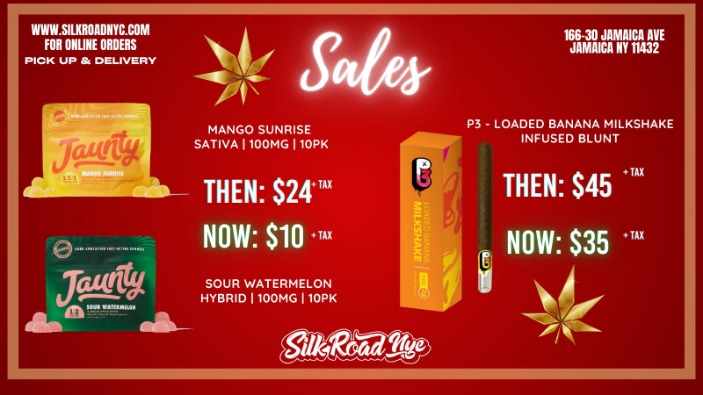
The FBI spokesperson declined to offer details about the investigation, but told me that “basically he made a simple mistake and we were able to identify him.” We made it visible,” says an FBI spokesperson, who asked not to be named. “When you interviewed Ulbricht, he said he would never be arrested. But no one is beyond the reach of the FBI. We will find you.” “The scum that worked to convict him were some of the same lunatics who were involved in the modern day weaponization of government against me,” Trump said in a post on his social media platform Truth Social. As the narrative unfolds, viewers learn about the intense efforts of multiple law enforcement agencies to shut down the Silk Road and apprehend its creator.
Five Harmful Anti-Alcohol Myths And The Evidence Against Them
Ulbricht expressed remorse for his actions and said that the site had meant to enact his libertarian views. Although multiple copycat sites (such as Silk Road 2.0, which sprung up in November 2013) attempted to replace the original, they were quickly shut down by law enforcement. Many sites continue to use the name, though they have no connection to the original. With access to Ulbricht’s Google history, FBI agents discovered that his Gmail and Silk Road account activity did line up. Agents learned that in just two-and-a-half years, around 1.2 million transactions had been processed on the Silk Road site with bitcoin, generating the equivalent of approximately $1 billion in revenue. The agents also found information and communications Dread Pirate Roberts believed would never be discovered.
Dread Pirate Roberts Is Born
Approximately 70% of the 10,000 products listed on the site in 2013 were drugs, categorized into stimulants, opioids, and other substances. The platform’s structure allowed for detailed product listings and user reviews, which helped build a sense of trust and reliability among buyers and sellers. This system of ratings and feedback was crucial in maintaining the site’s functionality and appeal.
- Its immediate successor, Silk Road 2.0, which was operated by administrators of the original site, ceased to exist on November 6, 2014, after being shut down by an international police task force.
- But Tor protects its users by constantly changing that information.
- A user nicknamed Altoid started publicising the site, linking off to its dark web location.
- A presidential pardon does not erase Ulbricht’s federal conviction.
- It has sparked conversations about morality, legality, and what the future of digital commerce might hold as the boundaries between the visible and dark web continue to blur.
- Silk Road was processing millions of dollars of transactions each month, with Ross taking a cut on each one.
Is The Silk Road Founder Still In Jail?
It was also a battle over the future of online privacy and the role of law enforcement in regulating the internet. Supporters of Ulbricht saw the case as an attempt by the government to crack down on free speech and limit individual liberties, while others saw it as a necessary step in the fight against online crime. Transactions are conducted using Bitcoin, and the Tor network is used to provide anonymity for both buyers and sellers. Speculation has spread over possible motives for the attack – including the possibility that a competitor is looking to set up a rival site on the network. Born in 1984, Ulbricht was a brilliant and tech-savvy individual who believed in freedom of the internet. He saw the Silk Road as a means to create an unregulated marketplace where people could make their own choices, regardless of legality.
While his ‘shrooms sprouted, Ulbricht taught himself computer programming. When he got confused about coding, he called on an old college friend, Richard Bates, a programmer at eBay. Ulbricht’s girlfriend and Bates were the only people he told about his project. He hid it on Tor (The Onion Router), a browser system invented by the Navy that relies on layers of computer routers and is now used by dissidents, drug sellers and pornographers to cloak their Web activities. He set up the site to accept the cryptocurrency Bitcoin, evading both banking and government oversight.
And although the Silk Road site hasn’t operated for years, it laid the foundation for other darknet markets to follow. Today, Silk Road is an important case study when analyzing the growth of other dark web markets. The founder of the Silk Road was Ross Ulbricht, who used the pseudonym “Dread Pirate Roberts.” Based on principles of individual freedom and voluntary exchange, Ulbricht launched the infamous Silk Road black market in 2011. It enabled users to exchange illegal goods and services anonymously and without regulations. The Silk Road was a short-lived but far-reaching dark web marketplace that surfaced in 2011. The first of its kind, it transcended the boundaries of conventional marketplaces by retaining buyer-seller anonymity and facilitating a global delivery network.