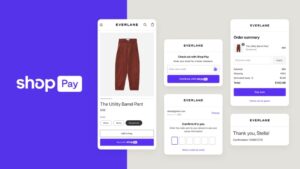
A CVV is assigned by the credit card issuer and, unlike a PIN, the CVV is printed on your card. As we said before, the easiest way to pay without sharing CVV is to find a site with additional options. If you don’t want to use some third-party solutions (Apple Pay, Klarna, Venmo, etc.) and don’t want to send cash to the merchant, there are almost no options for you.
Non VBV Sites
The store gets great reviews, showing it’s a good choice for those who don’t want to enter their CVV. The trend of sites that don’t require cvv shows how online shopping is changing. By understanding why this is happening, both sellers and buyers can make choices that fit their needs and likes. Lee Huffman spent 18 years as a financial planner and corporate finance manager before quitting his corporate job to write full time.
How To Shop On Any Website Without OTP

The only way to clarify this is to explain how to bypass CVV codes for online purchases. It’s important not to confuse a personal identification number (PIN) with a CVV code. PIN numbers are a personal code that cardholders choose when they first set up their card account.
What Events Require Prorated Billing?
A unique boutique store has popped up online, offering a special shopping experience without the need for CVV. It stands out by providing a selection of high-quality, artisanal products. This site that doesn’t need cvv idea makes shopping easy and safe. Big and small retailers are ditching CVV verification for various reasons. Some aim to make checking out quicker, which can lead to more sales.

Are There Any Websites Where I Can Shop Online Without A Billing Address?
You can extend your checkout process by utilizing this technology and adding a second verification step. Depending on the card issuing the currency, the work varies. You may have observed that not every merchant asks for a CVV. The expiration date and number of the card might be used at these websites by a thief. As transactions on e-commerce platforms are card-not-present transactions, the business needs to request CVV code from clients to reduce risks.
Learn The Shipping Policy
For many online retailers, there is a single option for credit or debit cards, where you’ll enter the cardholder’s name, the card number, the CVV and the card expiration date. As long as you have sufficient funds in your bank account, your bank will approve the charge, and the purchase will be completed. Protect against hackersCard issuers don’t allow businesses to store credit card CVV numbers in transaction databases, making them difficult for hackers to steal. Even if hackers are able to infiltrate a business database or website and steal credit card numbers and expiry dates, they won’t retrieve any CVV numbers. The idea of shopping online without a billing address can be intimidating to many shoppers. After all, we’re used to providing our billing address as part of the standard checkout process.
Are There Any Stores That Don’t Require A Billing Address When Shopping Online?
One of the core attributes of being a successful merchant is that you should be dynamic enough to identify cool deals and make the most of them per time. If you are not smart and careful enough, you may miss out on some vital details in an ever-dynamic environment. The reason for this is that the payment technology constantly evolves and grows each year.
- Today all credit and debit cards have CVVs to help prevent fraud.
- This makes it impossible to use your credit card for transactions without the CVV.
- Fortunately, there are some websites that allow customers to shop online without having to provide their billing address.
- But at the end of the day, the only way you can find out is by checking out the website and confirming if it does not require a CVV code.
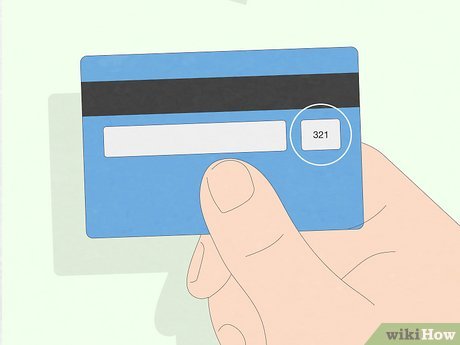
- A CVV number is a 3-digit or 4-digit security code printed on the back of credit and debit cards.
Can You Pay With Just A Credit Card Number?
A 4-digit security code called the CVV, or “Card Verification Value,” is written on the back of a credit card. This number must be kept private as it is essential for preventing fraudulent online transactions. The credit card authority uses the CVV as a cryptographic check to validate the legitimacy of the cardholder. It confirms that the person using the card to make an online purchase is in fact the owner and is using it properly. Both the card number and CVV are necessary when making a purchase or sending money.
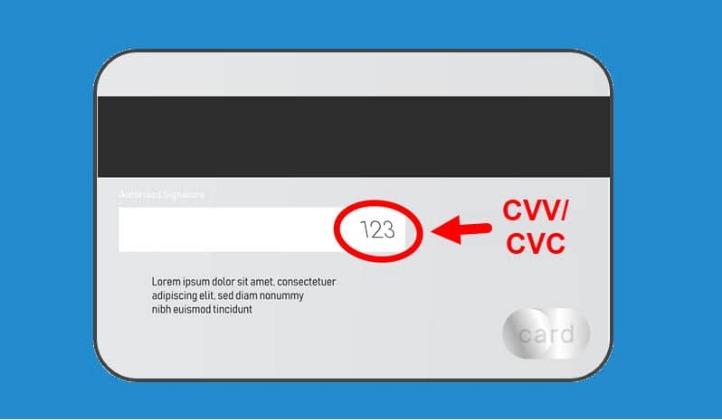
Unlike the card number, expiration date, and cardholder name, the CVV isn’t typically stored by merchants after a transaction. This makes it significantly harder for hackers to obtain the code from a compromised database. A CVV number is a 3-digit or 4-digit security code printed on the back of credit and debit cards. It is a unique identifier that serves as an additional layer of protection against unauthorized online purchases. When you pay with a debit card, you enter information like a credit card.
Subscription Services
Plus, racking up a long list of disputes can lead to bigger problems down the line. Card-not-present transactions are any purchases made when a physical card is not presented at the point of sale. This is the only type of payment online merchants can accept, but they are inherently riskier than card-present transactions. In the world of online shopping, some online stores have made a big change. Some stores think this makes shopping easier for their customers.
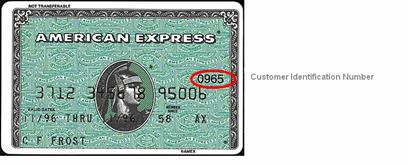
Today all credit and debit cards have CVVs to help prevent fraud. A credit card CVV code is a three- or four-digit number that businesses use to authenticate a card (along with the credit card number and expiry date) when a purchase is made. CVV codes prove a card’s validity and make it more difficult for fraudulent actors and hackers to use stolen credit card numbers, protecting both cardholders and businesses. CVV codes are typically three-digit sequences, with the exception of American Express cards, which use a four-digit sequence. Cardholders should do their best to keep their CVV codes secure to avoid being victimised by scammers. The rise of online shopping made it easier than ever to expand your customer base and encourage more purchases through a convenient platform, but it also ushered in a new era of fraud.
CVV (Card Verification Value) is a 3- or 4-digit code on credit and debit cards. Some online shops skip this step for a smoother shopping experience. In the world of online shopping, whether or not you need a CVV (Card Verification Value) is key for many shoppers. More and more, e-commerce sites are making it easier for customers by dropping the CVV step. These sites that don’t require cvv and online stores without cvv are attracting those who want a smooth buying experience. In today’s online shopping world, we value both convenience and security.