However, using the deep web for legitimate reasons is uncontroversial. Start a free 30-day trial of Keeper Password Manager today to begin securing your accounts from common cyber threats on all parts of the internet. One dark web monitoring tool that works alongside Keeper Password Manager is BreachWatch®. BreachWatch monitors for suspicious activity on the dark web and alerts you as soon as any dark web activity matches the credentials stored in your Keeper Vault.
Conclusion: Navigating The Digital Landscape Safely
Unlike the deep web vs dark web that encompass such secrecy or illegality, this surface web is totally safe to be used daily as well as it falls under more familiar laws and regulations. Hence, while the face of the internet remains the surface web, the deep and dark web are the hidden layers of the internet that require caution and understanding to traverse. Most of what you see in search results is just a small slice of the internet. In fact, only about 4% of the web is indexed, meaning it shows up in standard search engines. It also notifies users of any potential threats like phishing, social engineering attacks, and account takeover with its real-time alerts to bolster their defenses preemptively. Before you go exploring the dark web, it’s crucial to recognize that it is much more dangerous than the surface web — and not just because of all the illegal activity happening on the dark web.
Unlike the publicly accessible surface web, the deep web includes sites requiring login credentials but is still accessible via traditional browsers. The dark web is a small, hidden subset of the deep web that requires special tools to access. When it comes to comparing and understanding Deep Web vs Dark Web vs Shadow Web, it helps to think of the web as an ocean. The terms shadow, dark and deep web are used to reference areas below the surface that are not readily accessible to most web surfers.
Choose A Dark Web Search Engine
Scammers often target users on the dark web, employing phishing tactics to steal personal information and financial details. These scams can result in significant financial loss and identity theft. The danger comes in when you download illegal materials that contain viruses or malware, like trojans, worms, or keyloggers. When navigating beyond the surface web, there are a few key differences to keep in mind when venturing into the deep and dark web. The deep web provides users a level of security or privacy, but it can’t offer full anonymity.

“Darkweb Research: Past, Present, And Future Trends And Mapping To Cyber Threats”
We use the internet daily to read news or make purchases, but this surface web is the tip of the iceberg. There is a vast amount of hidden information beneath the surface that most people never think about. Bitsight’s 2025 deep web intelligence shows how cybercriminals are multiplying, diversifying—and getting smarter. Silk Road was a pioneering darknet market, established in 2011 by its founder Ross Ulbricht who was known as ‘Dread Pirate Roberts’ in online circles. Managed entirely on Ulbricht’s personal laptop, this online black market facilitated a slew of illicit transactions until it was shut down by the FBI.
Is It Illegal To Access The Deep Web Or The Dark Web?
Acessing does the dark web does not automatically place you in danger, but it is very easy to be caught unaware if you are not familiar with how it works. It prevents other people from accessing your Internet connection and also prevents websites from knowing about your physical location. Security teams often focus on dark web monitoring while overlooking equally critical deep web sources like GitHub or Telegram. However, threats can often originate in the deep web before escalating to the dark web. Falling for these scams can result in financial loss, identity theft, and even physical harm. Engaging with fake hitman services may expose individuals to dangerous criminals, while falling for phishing scams can lead to identity theft and financial ruin.
Deep Web Vs Dark Web: What Really Makes Them Different?
However, while the internet includes a lot of data we don’t usually see (deep web), the dark web has a reputation for concealing and facilitating criminal activities. One of the most significant barriers to finding deep and dark web sources is that you must use the exact URL to access sources that are not indexed — even with a browser like Tor. For example, to access the popular dark web forum CryptBB, you must know the exact onion link; conducting a web search for the forum will not turn up anything useful. Many dark web sites deploy tools that prevent bots and web crawlers from accessing the site. Some well-known underground sources can be easier to find because there are dedicated sites that share links and maintain regular status updates.
Accessing The Deep Web Or The Dark Web: Is It Illegal?
Anonymous marketplaces (such as The Silk Road) offer everything from recreational drugs and forged documents to firearms and malware toolkits. For instance, several major media organizations, including ProPublica and The New York Times, operate mirror versions of their websites on the dark web. These allow individuals in countries with strict internet censorship to access uncensored news and report safely to journalists without fear of retaliation. In fact, it is likely some 500 times larger than the surface web and may contain as much as 96 percent of online content.
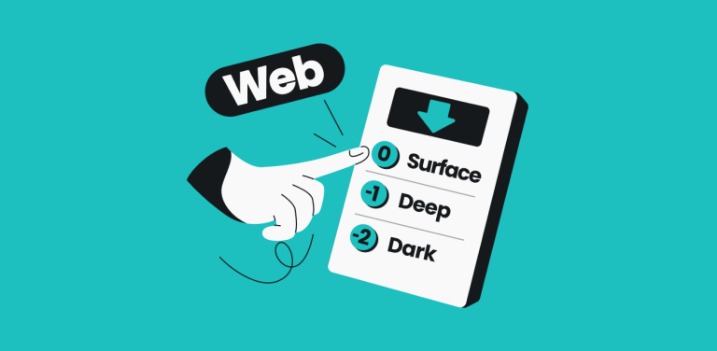
However, the Dark Web isn’t all bad, and, in fact, the technology that makes it possible, Tor, was originally created by the U.S. government for legitimate purposes. The Surface Web, which is accessible via search engines like Google and Bing, only makes up a small portion of the Internet. The Deep and Dark Web lay outside the publicly accessible portions of the Internet and are used for different purposes.
As it’s difficult to trace users of the dark web, it gets a lot of attention from those who want to engage in illicit behavior. In fact, the dark web has links to various illegal activity, such as ransomware, drug marketplaces, terrorism, and more. At the top, there is the “visible or surface web.” The visible web is what you’re looking at right now. Because Google bots and other web crawlers index them, you can find these pages with a quick online search. Standard search engines index these websites and are accessible without special configuration.
- The dark web is actually considered to be a small part of the deep web.
- Avoid clicking on suspicious links or downloading files from untrustworthy sources.
- Intranets, or internal networks used by companies and academic institutions, cannot be accessed by the public.
- For these reasons, a shutdown of the dark web by the government is extremely unlikely, said Javier Vargas, VP of research and development at cybersecurity company Lumu.
- When a user and a website send data to each other over Tor, the data packets are randomly routed through a massive network of volunteer computers.
While the technology that underpins it has valid applications for privacy and anonymity, it also draws criminal elements who exploit that same anonymity. For those who do choose to explore the Dark Web, it is vital to stay informed, maintain robust cybersecurity measures, and be aware of the legal and ethical implications of your online activity. While it’s hard to quantify the exact size of the Deep Web, experts generally agree that it dwarfs the Surface Web, possibly accounting for the majority of the internet’s total content. This expansive underground includes everything from benign password-protected sites to dynamic pages generated on-the-fly for individual users. Search engines use automated programs known as “web crawlers” or “spiders” that systematically scan webpages, indexing their content.
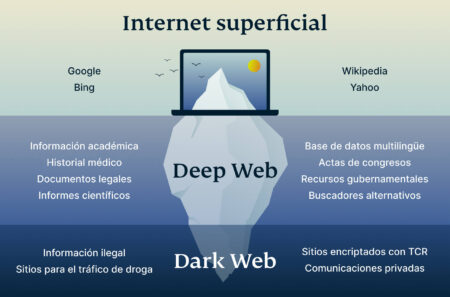
As accessing the dark web requires a specialized browser, users on the surface/deep web aren’t directly affected. The dark web may have its risk factors, but there are plenty of secure dark web websites. The next layer is the “deep web,” a large invisible portion of the Internet. We call these websites “deep,” as the content is hidden, and search engines don’t index them.
In 2021, LinkedIn disclosed the exposure of 700 million user records. The data included phone numbers, email addresses, and other personally identifiable information – a gold mine for phishers. We would also advise consulting your legal team when writing dark web security policies. Legal advice ensures you stay on the right side of the law while benefiting from dark web threat monitoring. Most countries allow free access, although the Tor browser is illegal in China, Russia, and Iran. Companies should actively monitor the dark web for security threats.