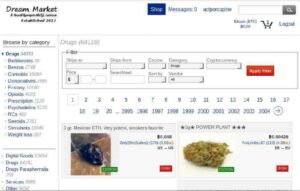
The Excavator search engine digs through the depths of the dark web, offering an expansive view of indexed content. Haystak is a dark web browser that offers better filtering features that help users refine their search results, enabling them to locate exactly what they need. Dark web search engines are an alternative to having high technical knowledge, something hackers, journalists, and security firms are used to. With a single click of a button and going through some web pages, one can now easily visit a dark web page.
Navigating The Dark Web Safely And Responsibly
Unlike traditional search engines that rely on centralized servers, Ahmia’s infrastructure is decentralized, meaning that the search results are obtained from multiple sources. This not only enhances privacy but also makes it extremely difficult for any single entity to manipulate or censor the search results. It’s like having a network of search engines working together to provide you with the most accurate and unbiased information. Torch not only offers a straightforward interface but also provides a range of features that enhance the search experience. One such feature is its ability to deliver relevant search results. With an algorithm that takes into account various factors, including popularity and relevance, Torch ensures that users are presented with the most accurate and useful results.
As such, we do not recommend using Tor if you want to do data-intensive activities like streaming in HD, gaming, torrenting, or making video calls. The Dark Web is the part of the deep web that is not indexed by search engines, like Google or Bing. For this reason, you cannot browse through these sites using your default search engine. Just like Google, the dark web has some search engines present on it.
Why Do Dark Web Search Engine URLs Keep Changing?
By 2028, NotEvil’s large index (~32 million sites) could extend to I2P and emerging darknets, creating a unified search platform for dark web ecosystems. Understanding this history helps users choose engines aligned with their goals—safety (Ahmia, NotEvil), depth (Haystak, Torch), or precision (DeepSearch). The Hidden Wiki grew in popularity, but clone sites and scams proliferated, highlighting the need for safer, more reliable search tools. This period saw the dark web shift from a niche tech space to a broader, often controversial ecosystem. I also struggled to find NotEvil’s latest .onion address, resorting to DuckDuckGo to confirm it via a security blog. NotEvil’s balance of safety and scale was promising, but its inconsistencies required vigilance.
OnionLand Search
Haystack boasts an impressive claim of indexing over 1.5 billion dark web pages, potentially making it one of the most extensive repositories among dark web search engines. Operating on a freemium model, users have the option to upgrade for an ad-free experience and access to features like historical website versions. Similar to DuckDuckGo, Haystack prioritizes user privacy, pledging not to track data or compromise privacy for profit. Navigating the dark web presents challenges; its links are lengthy, and its sites are generally obscure. To explore the dark web, one must first utilize a dark web search engine.

FAQ: More About Onion Sites
Use community-trusted directories, forums, and check reputation scores or comments on Reddit/darknet forums. Haystak has a free version but also offers a premium version with advanced features and deeper indexing. You can find it on Tor forums or directories like The Hidden Wiki.
Step 2:- Set Up A VPN
DuckDuckGo also has a no-log policy, meaning they don’t keep a record of your search history or collect other user data. When used with a dedicated private browser, DuckDuckGo can be a powerful search engine and a potent privacy tool. Ensure that your Tor browser and security software are always up to date.

The dark web is a part of the internet that isn’t accessible with regular browsers or search engines like Google and Bing. To explore it, you need special tools like the Tor browser (short for The Onion Router) and search engines designed specifically for the dark web. The Deep Web includes all content not indexed by search engines.This isn’t necessarily illegal—it’s just private or restricted. Social networks, such as Facebook, have created dark web versions of their sites to address privacy problems related to their surface web versions. ExpressVPN had created a .onion version of its website to allow greater privacy and anonymity for Tor browser users.
What Is The Deepest Search Engine?
- For more information, read more about the most secure email service providers in my other post.
- It provides safety and anonymity for journalists, privacy-conscious users, or those in high-censorship countries.
- Remember, though, that some of them provide no content filtering and may expose you to harmful content.
- It aims to advance research on terminal illnesses like cancer with access to unbiased scientific publications.
- Many cybercriminals use the dark web to buy and sell hacking tools, exploit kits, and malware.
- Maintained by anonymous volunteers, Torlinks prioritizes secure, modern .onion addresses and updates its database monthly to weed out dead links.
DuckDuckGo doesn’t log your activity, so your search habits, dark web or not, remain private to you. The only downside to DuckDuckGo is that it might show you fewer dark web search results compared with the other search engines on this list. One thing to be wary about is that, like most dark web search engines, Torch doesn’t filter websites. This increases the likelihood of stumbling onto a malicious webpage or harmful material. It uses a freemium model and offers several features for premium users like access to historical versions of websites.
The Legality Of Accessing The Dark Web
Tor66 has quick links for Fresh onions and Top Onions at top of homepage. Top onions list gives you info about 100 most popular onion sites. For example, if a site has 5 mirror links, it will display all 5 links. Although, you can differentiate that by website name or title in searches.
Here’s a breakdown of the most commonly used dark web search engines in 2025. The basic architecture of a standard web crawler, such as those used by Google, relies on indexing from seed URLs, analyzing metadata, and following link structures. This process doesn’t work on the dark and deep web, where most sites are not interlinked. Plus, many .onion websites are created to be temporary or invite-only, so they may not even be active long enough to be indexed.
- Maintaining caution and being aware of social engineering threats can also help protect your privacy and safety.
- Unlike other search engines, Kilos exclusively caters to searches related to “drugs,” making it a go-to platform for those seeking illicit substances on the dark web.
- Ahmia’s filtering kept me away from shady marketplaces peddling stolen data, saving me from potential scams.
- Sites on the dark web use .onion domains, which are only accessible via the Tor browser.
- Unlike other search engines, it offers text results, images, and torrent links.
The service doesn’t require personal information to create an account and works seamlessly through Tor. I found in my tests that all features work identically to the regular version. Let’s talk about its search results, it provides enough results with three sponsored listing at top.
So, I’d just sign off this list consisting of the best dark web search engines saying they’re all worth it. Just be sure you know what you’re searching for, make sure you use a VPN and stay away from straight up illegal content. Kilos is often used to discover and access dark web marketplaces, where you can find illegal drug trading.