Take the same steps as you would with any suspected opioid overdose. Because fentanyl can be created in a lab, it is much easier to produce and is, therefore, a cheaper alternative to less-potent opioids. Fentanyl can be pressed into pill form so it appears as a standard prescription opioid or sold as a powder. Here is what you need to know about fentanyl, what it’s used for, what it does to you, side effects, drug interactions, withdrawal symptoms and why fentanyl is so dangerous.
What Should I Know About Storage And Disposal Of This Medication?
The DEA and other federal agencies have made a formal commitment to reducing the flow of fentanyl into the US. Trump officials might be experimenting with creating something like a national, MAGA-loyal police force. But as Lopez has detailed time and again, cracking down on supply — as the Portman bill would — doesn’t do anything to address demand or treatment, which many experts name as the bigger issues.
- According to the CDC, the rate of fentanyl overdoses in 2020 was 18 times higher than in 2013.
- A sharp increase in deaths from illegal fentanyl use started in 2005 and continued through 2007.
- It is also available as a buccal soluble thin film, which can dissolve in the mouth, similar to the sublingual tablets.
- However, this is not a reliable indicator of whether a person is taking real fentanyl or not.
- The person should receive immediate medical attention for supportive care and to ensure the emergency has ended.
What Is Fentanyl’s Role In The Overdose And Addiction Crisis?
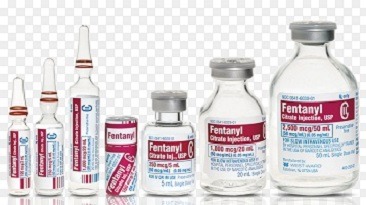
If a person is hospitalized or undergoing surgery, a healthcare professional may administer fentanyl as an injection called Sublimaze. In this article, we will discuss the medical uses of fentanyl and its side effects. We will also cover misuse of fentanyl, addiction, and the risk of overdose. Store fentanyl patches in a safe place so that no one else can use them accidentally or on purpose.
Fentanyl Is Very Dangerous, But There Are Harm Reduction Tools That Can Limit Its Impact
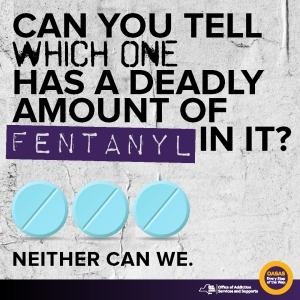
The DEA sampled tablets seized nationwide between January and March 2019. It found 27 percent contained potentially lethal doses of fentanyl. With such a strong narcotic some members of law enforcement are having to use as many as six injections of Naloxone to reverse the overdose.
Finding Treatment For An Opioid Addiction
Before taking fentanyl, be sure to tell your doctor and pharmacist about all prescription, over-the-counter, and other drugs you take. Also tell them about any vitamins, herbs, and supplements you use. Sharing this information can help you avoid potential interactions. If a woman takes this drug for a long time during pregnancy, it can lead to opioid withdrawal syndrome in a newborn. Symptoms of withdrawal may include irritability, hyperactivity and unusual sleep pattern, and high-pitched cry. They can also include tremor, vomiting, diarrhea, and failure to gain weight.
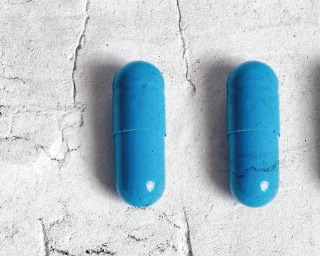
To help prevent or treat constipation while taking fentanyl, talk to your doctor about dietary changes, laxatives (drugs that treat constipation), and stool softeners. A doctor may prescribe laxatives with opioids to help prevent constipation. Fentanyl transdermal patch may be used as part of a combination therapy. Recently, drug seizures have found brightly colored pills laced with fentanyl, also known as rainbow fentanyl. Despite media attention on the reason behind these pills, experts do not agree that the pills are being marketed to children.
Can You Buy Fentanyl Over The Counter?
Illegal drugs, such as heroin and cocaine, are sometimes mixed with fentanyl, which makes the drugs more potent. If someone with a substance use disorder is unaware of the added fentanyl, this can put them at a higher risk of accidental overdose or death. Misusing fentanyl, such as taking it without a prescription or in higher doses than prescribed, can have serious consequences. In fact, fentanyl is a major contributor to the opioid crisis in the United States, leading to thousands of overdose deaths each year. It works against all opioids, including fentanyl, a heroin-like drug that can be lethal in small doses. Fentanyl is one of the top substances driving overdose deaths in the US, according to the Centers for Disease Control and Prevention.
What Is A Fentanyl Overdose?
Typically, a fentanyl overdose manifests as an extrapolation of its pharmacological side effects. Although the clinical scenarios may vary among patients, one of the main concerns is the level of expression of OIRD. In such cases, oxygen administration and respiratory assistance are a priority. An opioid drug antagonist such as naloxone can help to correct OIRD symptoms. Thus, the therapeutic approach should continue until a normal respiratory rate coincides with appropriate oxygen saturation levels. Fentanyl is a synthetic opioid that is up to 100 times more potent than morphine.
The effects of fentanyl last a few hours, but it can be detected in your urine, hair and blood far longer. Fentanyl can be detected in urine tests 24 to 72 hours after last use; in blood tests up to 48 hours; and in hair up to three months after last use. Congress passed its first major opioids legislation and funding in late 2016 but hasn’t done much since to follow up.

So, the opiates that filled pharmacy store shelves went away. While you may think all drugs should be legal, many would disagree. History has shown that society may be better off with dangerous drugs being illegal or, at least, a lot harder for people to obtain.
Interactions That Can Make Drugs Less Effective
Substances can mask or enhance the effects of others making it harder to gauge how intoxicated you are. You can always take more of a substance, but you can’t take less. There are many things that can impact intoxication, overdose and bad reactions like feeling tired, being sick, or different emotional states. Drug users can also use fentanyl test strips to determine if a product has been cut with fentanyl. You or your pharmacy will have to contact your doctor for a new prescription if you need this medication refilled. The following list contains some of the key side effects that may occur while taking fentanyl.

This is why it is so important to administer naloxone as soon as possible. Over the last decade, the conversation of the opioid epidemic has changed to include fentanyl. According to the CDC, the rate of fentanyl overdoses in 2020 was 18 times higher than in 2013. Fentanyl currently accounts for the vast majority of all opioid overdoses and almost 70% of all drug overdose deaths. Its impact on overdose deaths and prevalence in street drugs other than opioids (i.e., stimulants) has led many in the field to refer to fentanyl as the Fourth Wave of the Opioid Epidemic. In this post we’ll unpack some basics on fentanyl, how it has changed the landscape for drug users, and how we can think about effective solutions to this new problem.
National Coalition Against Prescription Drug Abuse
The woman woke up on the floor several hours later and found her partner unresponsive. She called EMS, and they were brought to an emergency room. Her partner was pronounced dead, and his autopsy also showed fentanyl in his blood. Roughly 2 million people live with an opioid addiction in the U.S.”It’s important to note… Find rehab for yourself or a loved one by speaking with a treatment provider. If using fentanyl under a doctor’s care, communicate openly with them about any concerns.
Effective medications that address cravings and withdrawal symptoms, as well as behavioral treatments, can help people with OUDs. Fentanyl may cause serious harm or death if used accidentally by a child or by an adult who has not been prescribed the medication. Even partially used fentanyl may contain enough medication to cause serious harm or death to children or other adults. Dispose of partially used lozenges according to the manufacturer’s directions immediately after you remove them from your mouth.
Many people worry that calling emergency services for someone taking an illegal drug will get them in trouble, but this is not true. Many states have laws that protect not only the person who calls for help, but also the person overdosing from legal trouble. Sometimes people freeze fentanyl patches and cut them into smaller portions. Then they put these small pieces in their cheeks or under their tongue.