For example, the deep web is often a platform used by political activists who own a blog. But it also contains other news and religious sites, private discussion forums, and medical records. The majority of the web is called the “deep web” (often referred to as the “invisible” or “hidden” web). The deep web is basically all the content that you can’t find using Google or Yahoo search. So, sites that contain a domain extension like .com, .org, .net, .biz, .info, etc. can be found on the surface web.
Dark Web Websites
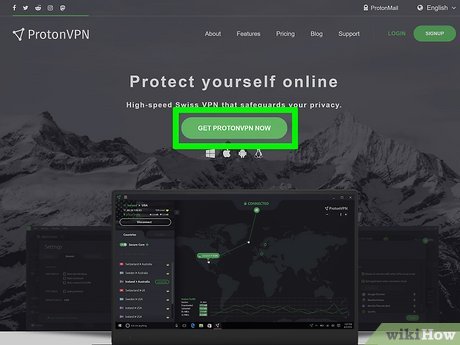
One way to stay safe is to use a VPN while accessing the dark web, so be sure to check out my article on the best VPNs for the dark web. In addition, NordVPN offers Onion over VPN (think Tor over VPN), which routes your internet traffic through one of its servers, passes it through the Onion network, and then sends it to the internet. This means you can use your favorite browser instead of the Tor Browser and still benefit from being routed through the Onion Network.

Best Practices For Safe Tor Usage:
These tools leave no trace on your device and reduce your exposure even if something goes wrong. The dark web isn’t off-limits, but it’s not built for casual browsing. You need the right setup, a cautious mindset, and zero tolerance for shortcuts.
Exiting Safely
While it’s generally safe to use, dark web activity can be detected at the entry and exit nodes of the Tor network. His work is featured in Cloudwards and he has been quoted in The Daily Beast, reflecting his dedication to internet privacy. When not demystifying digital security, he indulges in diverse hobbies from bonsai to powerlifting.
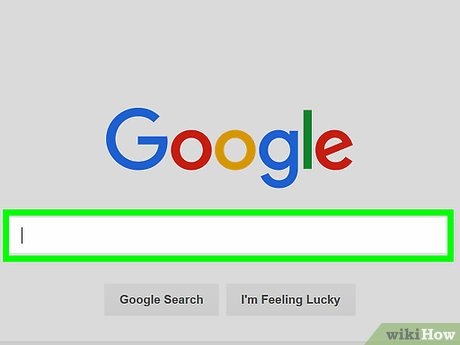
Use directories like The Hidden Wiki or Dark.fail, which list verified and regularly updated onion links. Accessing the dark web is legal in India as long as you do not engage in illegal activities such as buying drugs or hacking services. Install Tor Browser from the official website, adjust security settings to “Safer” or “Safest,” and only use trusted onion links from verified directories. For journalists, students, researchers, and security professionals, it’s a powerful tool when used ethically and safely.
- Journalists and whistleblowers, including Edward Snowden himself, often use the dark web and Tor to exchange sensitive information.
- Many dark websites are perfectly legal and safe to use and, in many cases, are better for your privacy than clear websites.
- This section outlines the primary dangers and offers practical advice to help you navigate these shadows responsibly.
- When using a VPN for the dark web, your ISP will not be able to see that you are connected to a Tor node, only an encrypted tunnel to a VPN server.
- Even in an era of increased online surveillance, the average person on the internet likely has too much to lose to bet on their safety for curiosity’s sake.
Plan Ahead Before Connecting
Many dark websites are perfectly legal and safe to use and, in many cases, are better for your privacy than clear websites. When you open your default browser, Freenet will be ready and running through its web-based interface. Note you should use a separate browser than the one you normally use to help ensure anonymity. A VPN allows a user to encrypt all internet traffic traveling to and from his or her device and route it through a server in a location of that user’s choosing. A VPN, in combination with Tor, further enhances the user’s security and anonymity. Obviously, finding these .onion websites is the first challenge, as they won’t show up in Google search results.
- There are marketplaces where people can sell stolen credit card numbers, conduct illegal drug transactions, and scam people out of their cash and crypto.
- Using Tor alongside a VPN, avoiding sharing personal information, and sticking to recognized sites are some of the best practices.
- The “VPN-over-Tor” approach offers added protection, even if Tor is compromised.
- This allows you to use the computer without the risk of corrupting your computer’s normal operating system with viruses or malware.
question Best Way To Browse Dark Web?
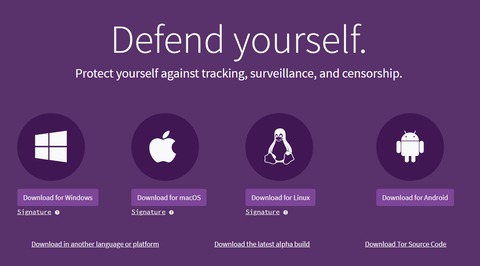
Just note that although you’ll be anonymous, you won’t have the speed or convenience of a direct connection, and some sites might block you outright. The Tor network was created by the US military in the 1990s for anonymous communication between spies over the internet. That effort was never fully realized, but the US military published the code under a free license in 2004. Researchers from the Electronic Frontier Foundation and other groups continued its development and launched the Tor project in 2006 as a tool for journalists, activists, and whistleblowers.
I2P (Invisible Internet Project)
Ensuring a secure connection is crucial when browsing the deep web — though Tor encrypts traffic natively, many dark web sites lack SSL certificates. Instead of relying solely on HTTPS, you can verify site authenticity through multiple trusted sources, such as official PGP signatures or well-known directories. In theory this should make your deep web browsing (as well as your regular web browsing) entirely private from interlopers. However, since your traffic is routed through nodes that you don’t have any control over, you are at the mercy of whoever operates these nodes.
Instead of the onion routing Tor uses, I2P relies on unidirectional tunnels and garlic routing, which bundles multiple messages together for better traffic obfuscation. It uses its own internal DNS to access “eepsites”, not .onion addresses. This setup is easy to configure, and you don’t need any special settings or features. Just turn on your VPN, wait for the connection to stabilize, and launch Tor.
That’s why such a large percentage (as much as 94%) of the entire web is not returned in Google Search. It might sound weird that Google doesn’t index these pages, but it does carry some logical sense. Google’s purpose is to show the most relevant information to all of its users quickly and easily.
Here, you’ll find links to various resources, including educational archives, private forums, anonymous services, and more. I2P is an anonymous overlay network designed primarily for peer-to-peer applications. While VPN over Tor is a bit more complicated to set up, it protects you against malicious exit nodes. All data is routed from the exit node through a secure VPN connection. This prevents the node operator from detecting your IP address or from finding out any other information.
Do I Need A VPN To Access The Dark Web Using Tor?
The VPN over Tor technique is also susceptible to an end-to-end timing attack, though it’s highly unlikely. For built-in Tor over VPN functionality, NordVPN operates specialized servers that automatically route you through the Tor network. You don’t even need to use Tor Browser, but keep in mind other browsers can still pass identifying information through the network. Alternatively, there’s IPVanish who claim to be the world’s number one VPN for Tor and comes highly recommended, you can save 60% on the annual plan here. Another vital precaution is to ensure that your .onion URLs are correct.
Unlike darknet mode, opennet uses a handful of centralized servers in addition to the decentralized peer-to-peer network. The dark web has no shortage of criminal activity, scams, phishing sites, suspicious links, and malware designed to trick newbies. Links posted to the clear web, in particular, are often malicious. And because there’s very little use of HTTPS on the dark net, verifying whether or not a website is genuine using an SSL certificate is not feasible.